

For a long time, history books influenced by colonial perspectives dismissed the Babaylan as mere “witches” or “folk healers.” But as we celebrate 𝐍𝐚𝐭𝐢𝐨𝐧𝐚𝐥 𝐖𝐨𝐦𝐞𝐧’𝐬 𝐌𝐨𝐧𝐭𝐡 𝟐𝟎𝟐𝟔, it’s time to set the record straight.
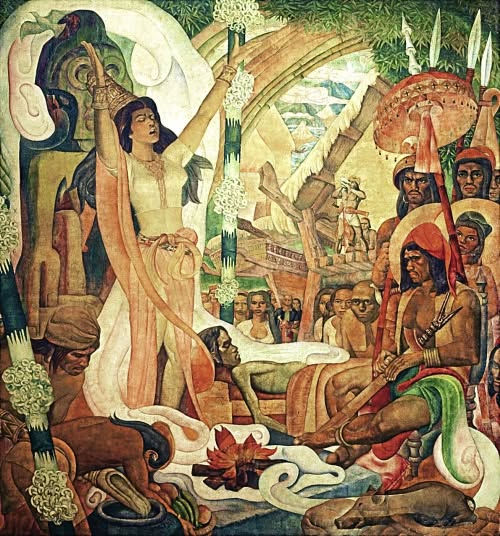
For a long time, history books influenced by colonial perspectives dismissed the Babaylan as mere “witches” or “folk healers.” But as we celebrate 𝐍𝐚𝐭𝐢𝐨𝐧𝐚𝐥 𝐖𝐨𝐦𝐞𝐧’𝐬 𝐌𝐨𝐧𝐭𝐡 𝟐𝟎𝟐𝟔, it’s time to set the record straight.